5 Common Skin & Hair Problems During Monsoon in India and When to See a Dermatologist Online
The rainy season brings cool breezes and fresh greenery, but it also brings skin and hair problems that many of us struggle with every year. Increased humidity, damp clothes, and sudden weather changes can cause infections, rashes, acne, and hair fall. With the right care, most of these issues can be managed at home. And if symptoms persist, online dermatology consultation makes it easy to get expert advice without stepping out in the rain.
5 most common skin and hair problems during the Indian monsoon along with simple solutions
Fungal Infections
Why it happens: Monsoon moisture creates the perfect environment for fungal infections like ringworm, athlete’s foot, or itchy red patches in skin folds.
What you can do:
- Keep skin folds (armpits, groin, toes) dry
- Change damp clothes immediately
- Use antifungal powders if you sweat a lot
When to consult: If itching, redness, or spreading patches don’t improve, consult a dermatologist. With DermaCurious, you can upload a picture of the affected area and get personalized treatment advice.
Dandruff & Itchy Scalp
Why it happens: Humid weather increases oiliness and fungal growth on the scalp, leading to dandruff flare-ups.
What you can do:
- Wash hair regularly with anti-dandruff shampoo
- Avoid applying heavy oils to the scalp
- Keep hair dry as much as possible.
When to consult: If flakes and itching persist despite home care, an online dermatologist can suggest medicated shampoos or lotions tailored to your scalp type.
Acne Breakouts
Why it happens: Sweat, oil, and pollution easily clog pores in humid weather, worsening acne.
What you can do:
- Wash your face twice daily with a gentle cleanser
- Avoid heavy creams or oil-based products
- Use non-comedogenic sunscreen
When to consult: If acne is severe, painful, or leaving scars, early dermatology care can prevent long-term marks.
Skin Rashes & Allergies
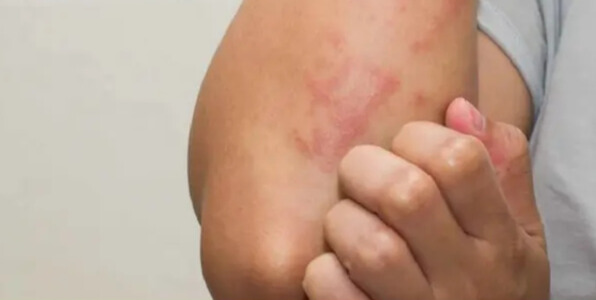
Why it happens: Wet clothes, constant sweat, and friction often trigger prickly heat or allergic rashes.
What you can do:
- Wear loose cotton clothing
- Avoid synthetic fabrics that trap sweat
- Use calamine lotion for mild itching
When to consult: If rashes spread, blister, or become painful, a dermatologist can prescribe the right creams or medicines after reviewing your photos.
Hair Fall
Why it happens: Seasonal changes and excess scalp oil make hair weaker in the monsoon.
What you can do:
- Avoid combing wet hair (it breaks easily)
- Eat a protein-rich diet (eggs, pulses, nuts)
- Keep scalp clean and dry
When to consult: If you notice sudden, heavy hair fall or bald patches, it’s best to seek expert advice early. Online dermatology consultations make it simple to identify the cause and get a customized solution.
Disclaimer: This article is for educational purposes only and should not replace professional medical advice. Always consult with a qualified healthcare provider for diagnosis and treatment recommendations.